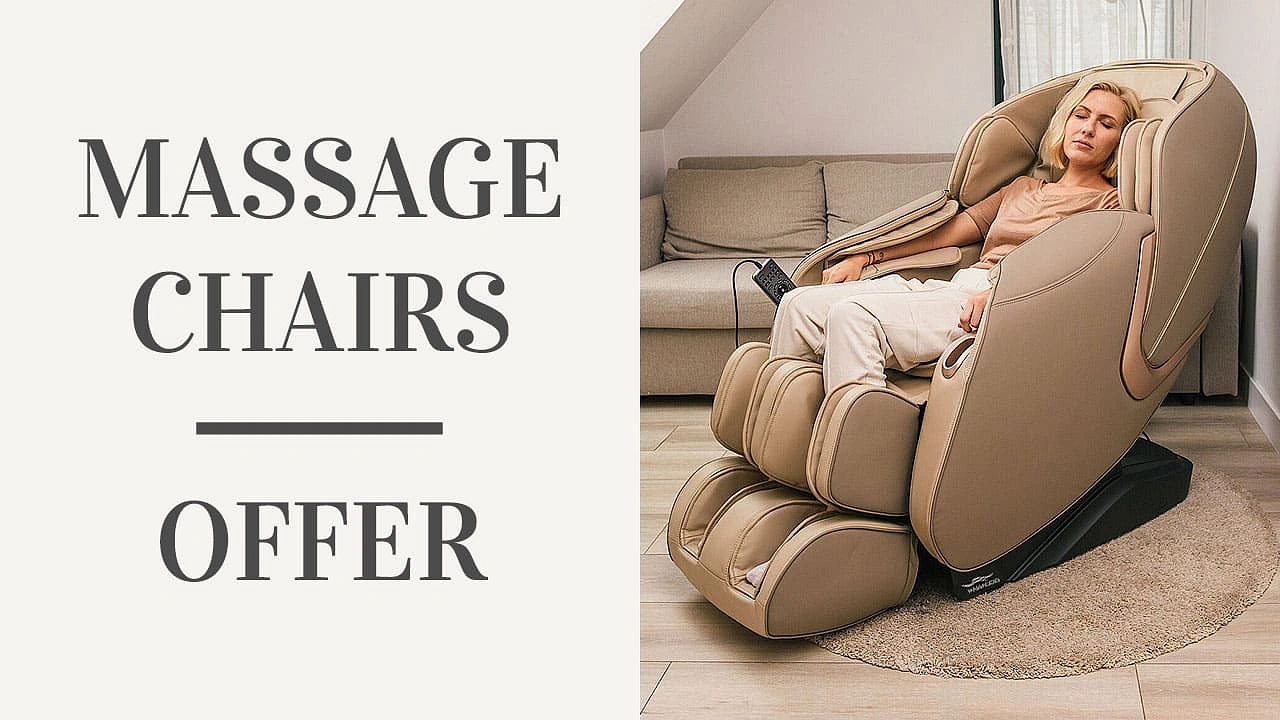

Massage chairs are becoming an increasingly popular part of home relaxation for many Europeans. As these advanced devices gain popularity, questions naturally arise about where they’re made and how the manufacturer impacts the massage quality, durability, and technology used.
Years ago, a product’s country of origin was often a simple indicator of quality. Today, the landscape has changed. Globalised production, advanced R&D infrastructure, and unified safety standards mean the manufacturing location alone no longer guarantees quality. So what really matters when choosing a massage chair?
Where are most massage chairs made?
The vast majority of the world’s massage chairs are manufactured in Asia, which is home to the largest factories and R&D centres dedicated to massage technology. The main production hubs are:
- China,
- Japan,
- South Korea,
- Taiwan,
- Singapore.
Outside of Asia, massage chairs are also produced in the United States and, to a limited extent, in Europe.
Still, for many brands, who makes the chair and their quality control standards matter far more than where it’s made.
The production of massage chairs today is often international. A brand may carry out research, development and design work in South Korea, Singapore or Taiwan, whilst outsourcing production to specialist factories in China. The quality of such a model is therefore determined not only by the factory’s location but also by the manufacturer’s standards, component checks, assembly precision, and multi-stage testing of the finished chair. This is precisely why two massage chairs manufactured in the same country can represent completely different levels of workmanship, durability and massage comfort.
Japan – precision, experience, and medical certification
Japan played a pivotal role in the development of home-use massage chairs. The first one was invented there, and brands like Fujiiryoki (founded in 1954) have led the way ever since.
Japanese massage chairs are known for:
- advanced massage algorithms,
- exceptional precision,
- certified medical-grade quality (by Japanese standards).
They offer therapeutic-level massages and are often seen as the gold standard in the premium segment.
South Korea – user-centric innovation and futuristic design
South Korea is a global leader in consumer tech, and that innovation extends to massage chairs. Korean brands focus on:
- deep personalisation and body mapping,
- intelligent sensor systems,
- proprietary technologies like Rovo Walking.
Design is also a strong point. Brands like Bodyfriend create bold, futuristic chairs that stand out as statement pieces – not just massage tools.
China – the global production powerhouse
China is the world’s largest producer of massage chairs. It hosts production lines for both major international brands and specialised manufacturers.
While Chinese-made products once had a poor reputation, today’s manufacturing quality varies widely. What really matters is:
- quality control,
- component selection,
- factory expertise,
- standards enforced by the brand itself.
One standout example is iRest, a global leader known for its modern design, R&D investment, and thorough quality checks. Another brand, Massaggio, also uses Chinese infrastructure but combines it with strict design and quality standards.
United States – niche domestic production
Most U.S. brands design chairs locally but manufacture them in Asia. One exception is Luraco Technologies, which both designs and produces in the U.S. Their massage chairs tend to be:
- larger in size,
- tailored to American comfort preferences.
Spain – boutique-style European manufacturing
In Europe, full-scale massage chair production exists only in Spain, where Keyton operates out of Alicante. This brand focuses on:
- high-quality leather,
- customised massage features,
- personalizable design options.
This boutique approach is a stark contrast to mass production in Asia.
Are massage chairs made in Poland or Germany?
There are often claims about massage chair production in Poland or Germany. In reality, these usually refer to design, distribution, or partial assembly. There’s no evidence of full-scale, end-to-end production happening in these countries.
What really matters when choosing a massage chair?
While the country of origin is useful information, it shouldn’t be the deciding factor.
What truly matters:
- massage quality and effectiveness,
- fit for your height and body type,
- safety standards and EU compliance,
- build quality and durability,
- extra features and design,
- availability of service and support.
Ultimately, a massage chair should perform well in everyday use and meet your specific needs, regardless of where it was made.